


Guide to Sustainable Takeout
Food Packaging Materials


In an era where environmental consciousness is paramount, the restaurant industry is undergoing a transformative shift towards eco-friendly practices. Among these changes, the realm of takeout food packaging has emerged as a significant frontier for sustainability. As businesses strive to minimize their ecological footprint, the availability of materials for eco-conscious takeout food packaging plays a pivotal role in shaping the future of dining experiences. In this blog, we delve into the diverse world of sustainable packaging materials, highlighting their benefits, applications, and the positive impact they have on both the environment and your restaurant's image.
A Plethora of Sustainable Choices
1. Biodegradable Materials
Derived from natural sources such as cornstarch, sugarcane, and potato starch, biodegradable materials offer a greener alternative to traditional plastics. They break down naturally over time, reducing the burden on landfills and ecosystems. Biodegradable packaging solutions encompass a wide range of items, from takeout containers to cutlery, offering a versatile and earth-friendly choice for eco-conscious restaurants.
2. Compostable Materials
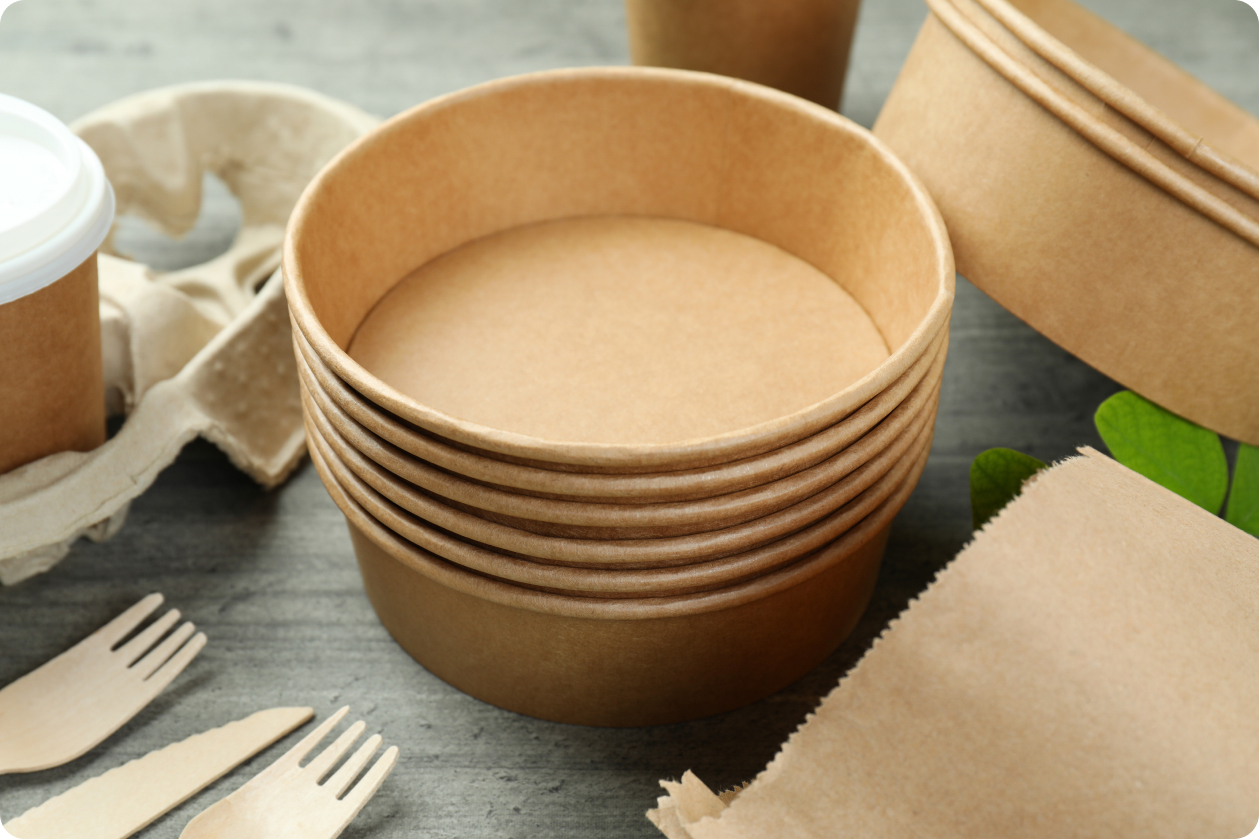
Compostable packaging materials are designed to fully disintegrate and return to the soil, providing valuable nutrients to the earth. Made from materials like paper, cardboard, and plant-based plastics, compostable options align with the principles of circular economy, making them an ideal choice for takeout food packaging that leaves minimal impact.
3. Recycled Content Packaging
Recycled content packaging utilizes materials that have already undergone one life cycle, reducing the demand for virgin resources. Post-consumer recycled paper, cardboard, and even plastics can be transformed into packaging solutions that are just as durable and functional as their conventional counterparts. By closing the loop on materials, recycled content packaging significantly contributes to waste reduction.
4. Plant-Based Plastics
Plant-based or bio-based plastics are derived from renewable sources like corn, potatoes, or sugarcane. While not always biodegradable, they typically have a lower carbon footprint compared to traditional plastics derived from fossil fuels. As technology advances, plant-based plastics continue to evolve, offering an increasingly sustainable choice for takeout food packaging.
5. Edible Packaging
Pushing the boundaries of innovation, edible packaging provides a novel and sustainable solution. Made from ingredients like seaweed, rice, or potato starch, these materials are not only biodegradable but also offer a unique dining experience. Edible packaging is an exciting option for reducing waste and adding a touch of creativity to your takeout offerings.

Benefits Beyond Sustainability
1. Positive Brand Image
Choosing eco-friendly takeout packaging sends a powerful message to your customers. It reflects your commitment to responsible business practices and resonates with environmentally conscious diners. A positive brand image can lead to customer loyalty and increased patronage, contributing to the long-term success of your restaurant.
2. Compliance with Regulations
Compostable packaging materials are designed to fully disintegrate and return to the soil, providing valuable nutrients to the earth. Made from materials like paper, cardboard, and plant-based plastics, compostable options align with the principles of circular economy, making them an ideal choice for takeout food packaging that leaves minimal impact.
3. Enhanced Customer Experience
Sustainable takeout packaging demonstrates your dedication to providing an elevated customer experience. Diners appreciate the effort to minimize waste and support responsible consumption. This sense of alignment with values can lead to improved customer satisfaction and word-of-mouth recommendations.
Making the Shift: Practical Considerations
1. Material Durability
When selecting eco-friendly packaging materials, it's important to consider the durability required for your specific menu items. Ensure that the chosen material can effectively contain and protect the food without compromising its quality.
2. Proper Disposal
Educate your customers about the correct disposal methods for eco-friendly packaging. Clear instructions on composting, recycling, or proper disposal can empower diners to participate in your sustainability efforts.
3. Cost-Effectiveness
While some sustainable materials may have a slightly higher upfront cost, the long-term benefits, including reduced waste disposal fees and enhanced brand reputation, can lead to cost savings and increased revenue over time.
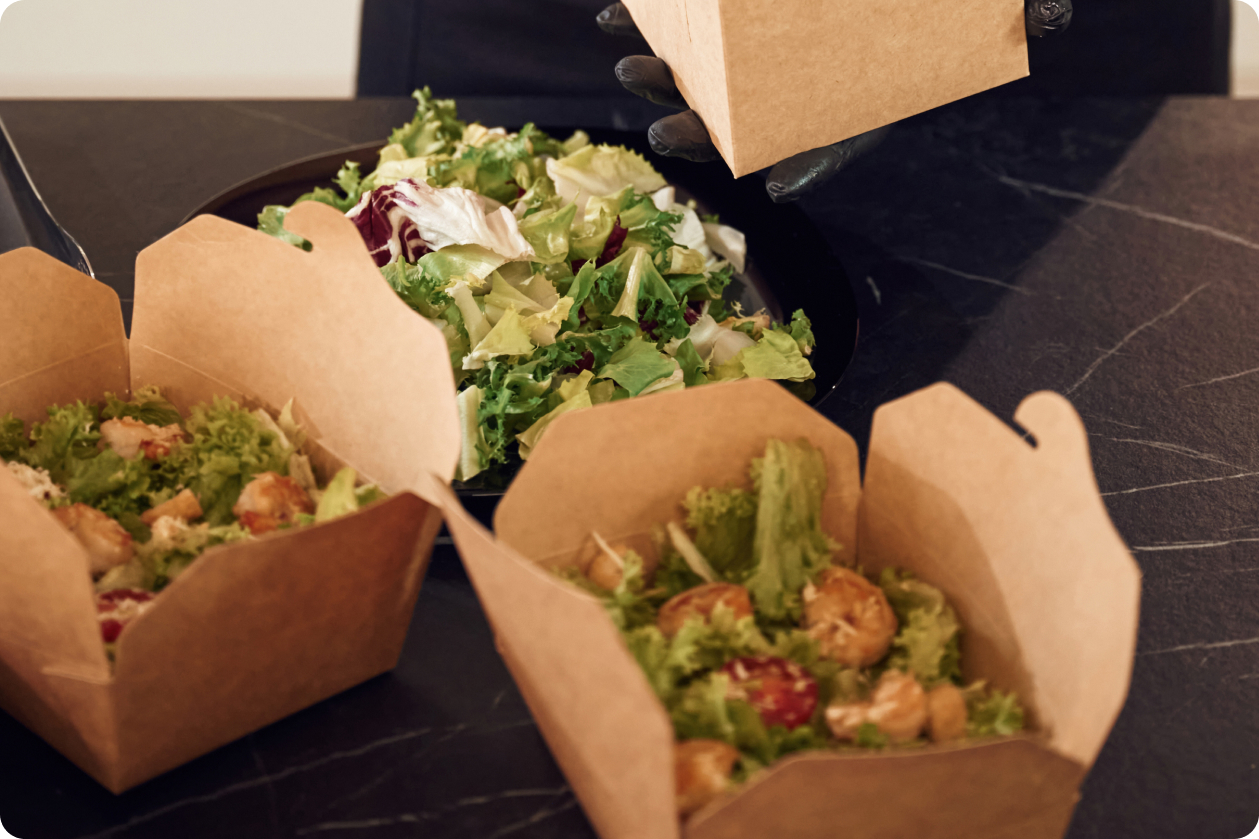
In a world where environmental preservation is paramount, the availability of eco-friendly materials for takeout food packaging presents an exciting opportunity for the restaurant industry. By embracing these options, you're not only minimizing your establishment's environmental impact but also elevating your brand image and contributing to a greener future. Whether through biodegradable containers, compostable cutlery, or recycled content packaging, each choice you make plays a vital role in shaping a sustainable dining landscape. Take the leap towards eco-friendly takeout food packaging and let your restaurant be a beacon of change in the pursuit of a more harmonious planet. 🌎🌱 #EcoFriendlyDining #SustainablePackaging #GreenRestaurantInitiative
Why Works with Us

Dedicate Service
Contact:
sticanada11@gmail.com

Free Shipping GTA
Minimum Order $300
Most Locations
Most Locations

Free Pickup
Same Day Pickup
Most Orders Placed by 9AM
Most Orders Placed by 9AM